

Where Mental Health and Compassion Come Together

Dedicated to the enhancement of mental health and quality of life for residents, family and caregivers in long-term care through practice, research and advocacy.

Who we are

Psychologists in Long Term Care is a professional organization dedicated to the advancement of psychological practice in long-term and skilled nursing care. Functionally, cognitively, ethnically, and culturally, older adults as a clinical population are by their nature some of the most diverse clientele a clinician can work with. As a network of practitioners (but also scholars and researchers) we are psychologists, geropsychologists, students, retired psychologists, and affiliated members with strong interests in serving the increasingly diverse population of adults in long-term care.

Our values
PLTC’s Mission is to promote best practices for clinicians providing behavioral services in long-term care settings, either in private practice or an institutional or corporate environment, with the goal of improving the psychological well-being and quality of life for residents in long-term care settings. This is accomplished by:

  • Providing the organization with various electronic means of communication amongst members, access to continuing education units, periodic “town hall” discussions and access to professional journals
  • Making available to members the PLTC Task Force’s Guidelines for Psychological Services in Long-Term care Settings
  • Promoting future clinicians in long-term care settings through various student-member initiatives
  • Encouraging education, consultation, research and advocacy among all members

“Long-Term Care” Evolves
The concept of “long-term care” (LTC) is changing rapidly. No longer a function of location in which services are provided, LTC suggests a range of supportive services provided over an extended period of time to meet an individual’s psychological, spiritual and physical health care needs.

PLTC member roles vary on a “long term care continuum”, ranging from home-based primary care “house calls”, to services provided in hospitals, skilled nursing facilities and other care centers. With a rapidly growing segment of younger adults needing supportive care, the age range in LTC has expanded considerably, requiring an augmented role for PLTC members and other professionals providing care for these individuals.

We function in a variety of clinical, academic, and government settings in both urban and rural areas across the United States and Canada. We hope to further expand our member outreach to include additional colleagues and friends across the globe.

Regardless of a patient’s age or residential location, PLTC members strive to provide respectful, culturally appropriate, empirically based, equitable and “person-centered” care to all, in an effort to optimize patient, family and staff harmony and quality of life.

PLTC Bylaws are amended by a vote of Professional Members when a majority of Professional Members vote and two-thirds of the voting Professional Members approve the amendment. An amendment to the Bylaws may be proposed by a majority of the Board of Directors or by a petition signed by at least ten percent of voting members presented to the Board of Directors. The Bylaws were last ammended and approved on November 24, 2015.

You may view the bylaws by clicking on the link below.

PLTC Bylaws – Revised September, 2019

Why join PLTC

  • Quarterly PLTC Newsletter
    (download a sample issue here).

  • Mentoring and leadership opportunities, as well as being mentored by experts in the field.

  • Stay connected with the exclusive PLTC Listerv for networking, consulting, and sharing current issues and changes in aging and long-term care.

  • Attend to exclusive PLTC Conversation Hours and several other educational opportunities.

  • Access to free journal articles.

  • And much more!

Meet Some of Our Members

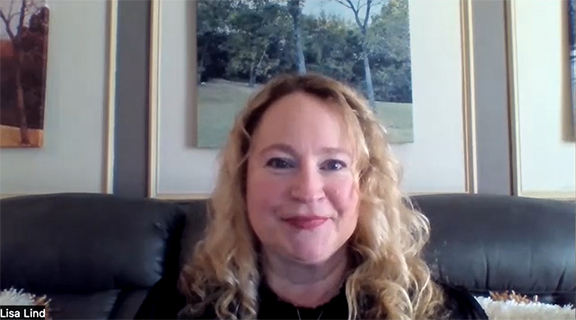
Lisa Lind Interview

Interview with Lisa Lind, Ph.D., ABPP

Eleanor Barbera Interview

Interview with Eleanor Feldman Barbera, Ph.D.

Regina Koepp Interview

Interview with Regina Koepp, Ph.D., ABPP

MEMBERS

RESOURCES

JOIN TODAY

Institutional members

Note that supporting PLTC also helps to support our advocacy for the field. We are also proud of our institutional members:

Deer Oaks Behavioral Health Organization

Deer Oaks Behavioral Health Organization

Providing psychotherapy and medication management services to long-term care facilities across the United States and EAP services throughout North America.
https://www.deeroaks.com/

CHE Behavioral Health Services Logo

Che Behavioral Health Services

CHE Behavioral Health Services is a leading provider of behavioral health services since 1995.
https://www.cheservices.com/